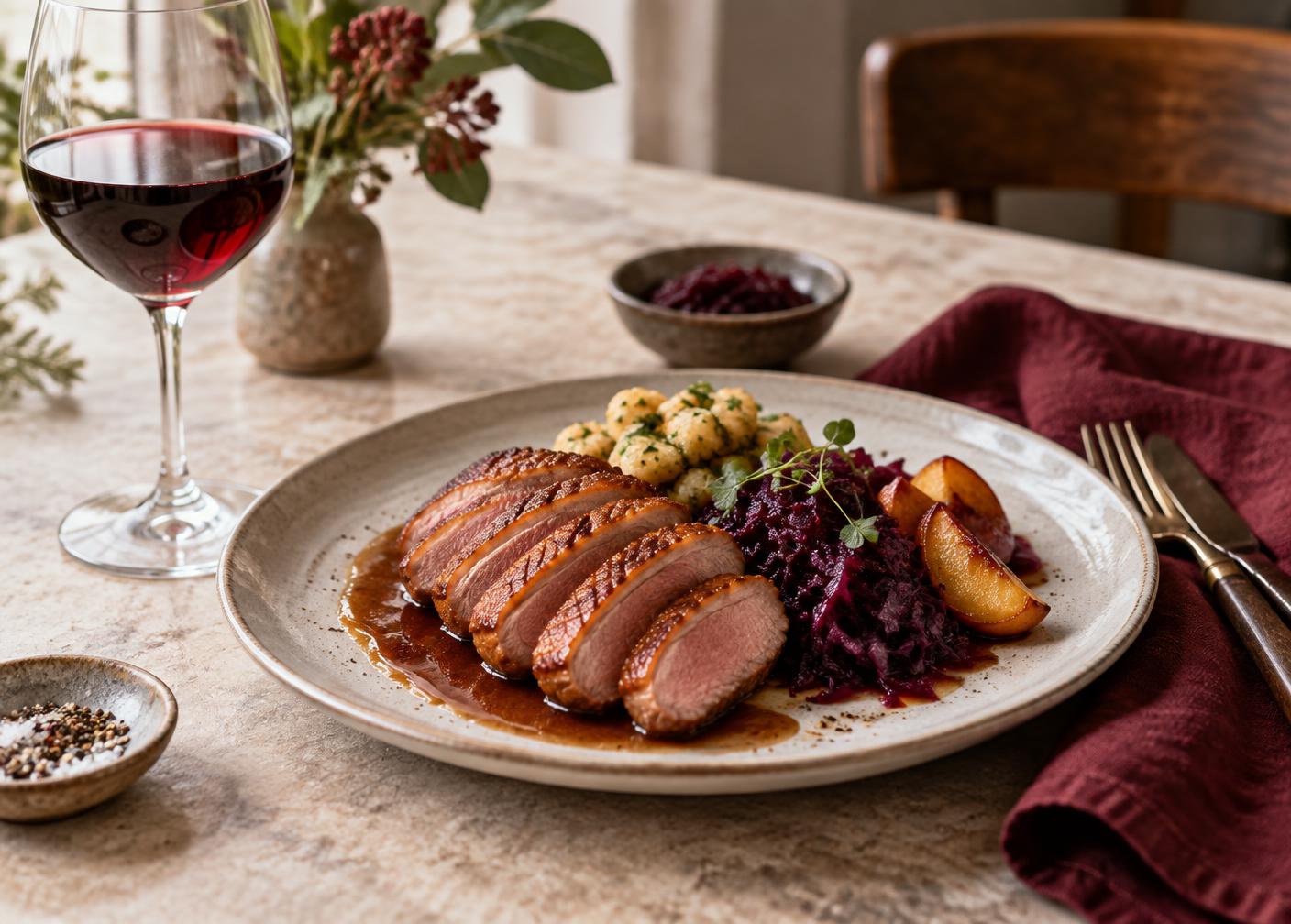
Wine basics
A clear guide to tasting wine
Sight, aroma and taste: a practical way to pay attention to what is in your glass without getting lost in jargon.
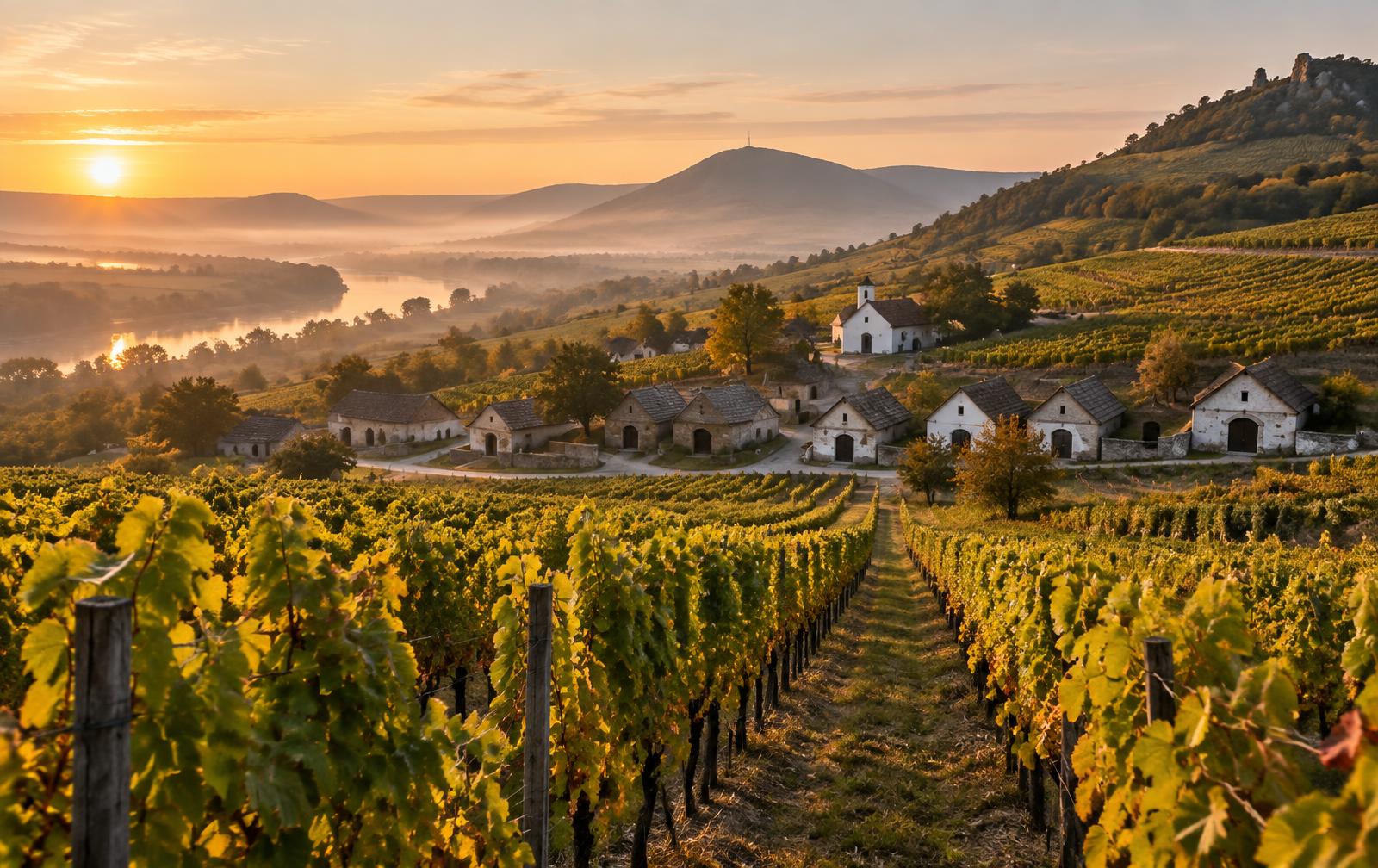
Thoughtful wine tasting is not an exam; it is a focused encounter with the wine. Begin with colour and clarity in natural light, then smell in several short passes. On the palate, look beyond a single flavour and notice acidity, body, texture and finish.
Glass shape, serving temperature and food all influence perception. Comparison is the most useful guide: two regions or varieties tasted side by side often reveal more than a long list of tasting terms.
Good tasting is not about finding the correct answer; it is the practice of attention.
Sources and editorial approach
This article relies on established wine knowledge. Specific claims about producers or vintages are published only with cited sources.