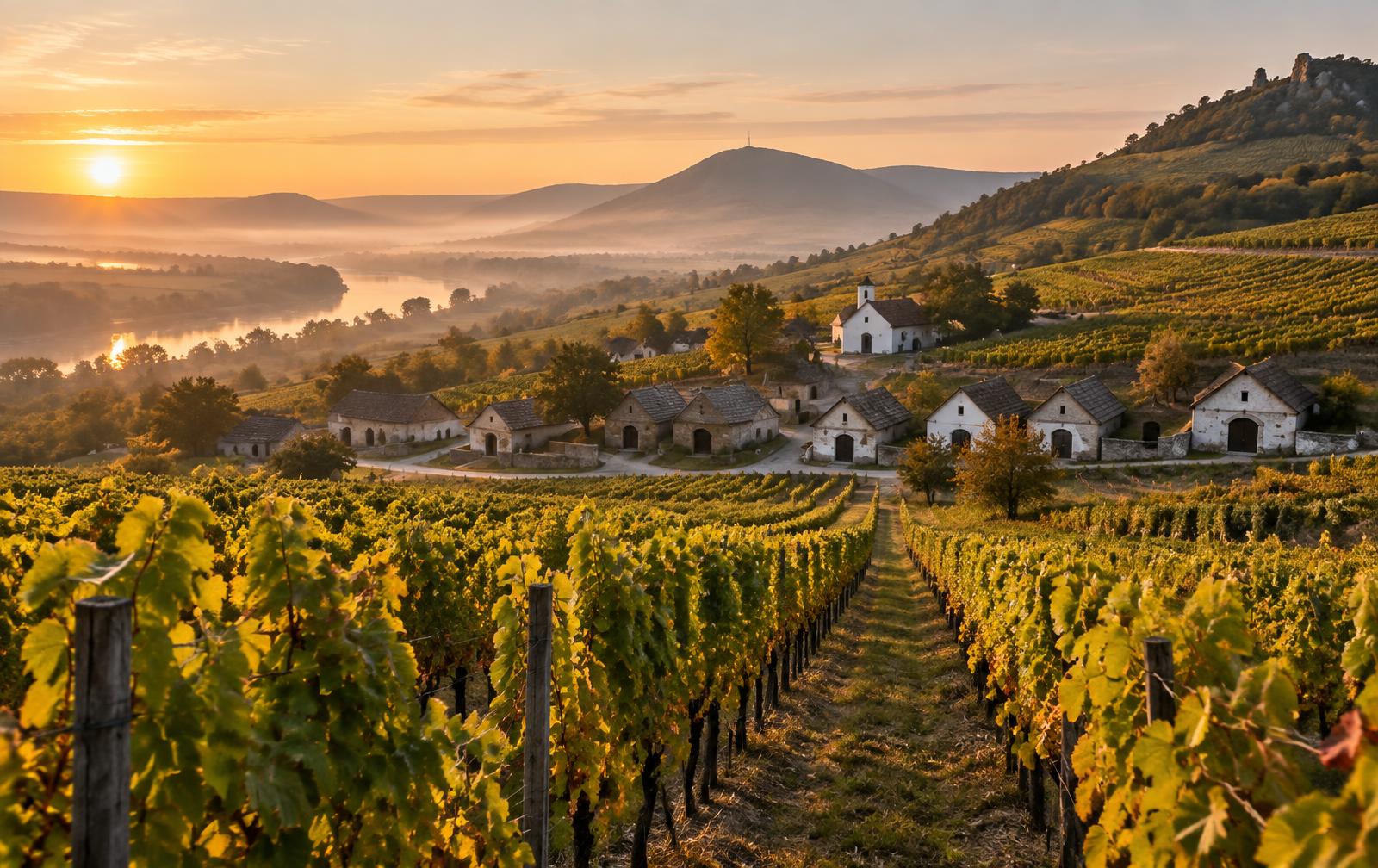
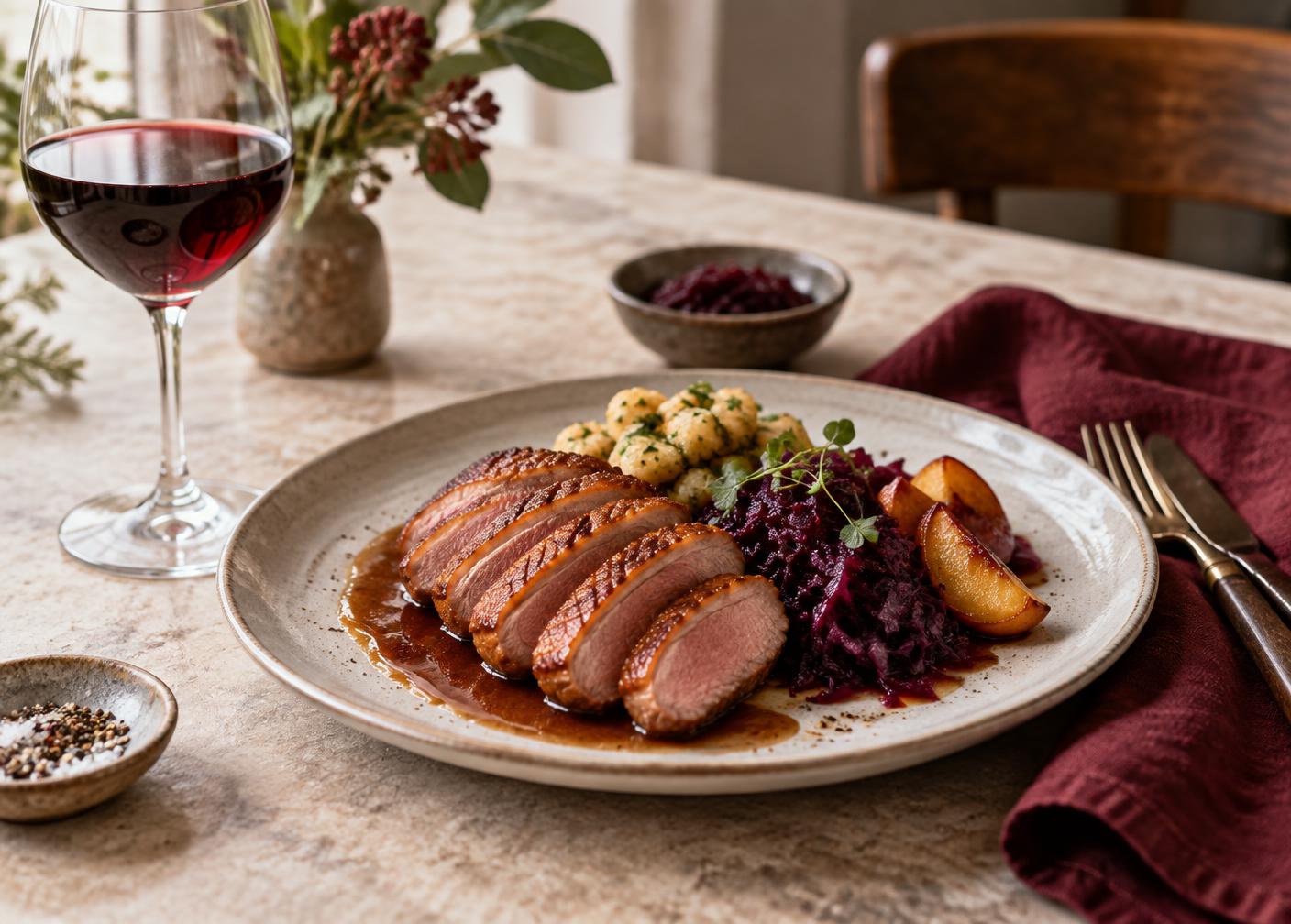
White, rosé, red: where wine colour comes from
Colour comes from time spent with the skins, not from the pulp. That single decision also shapes texture and style.
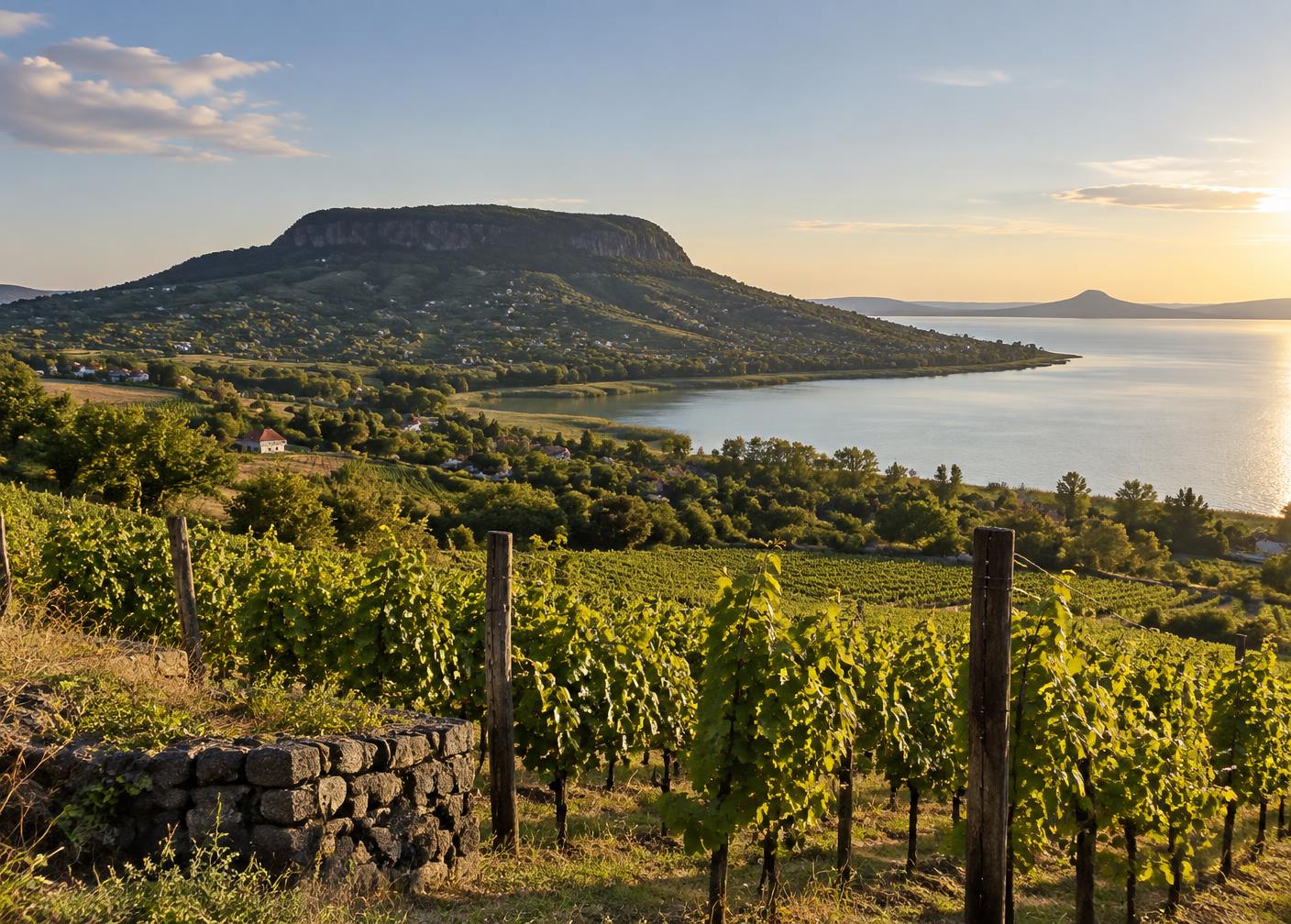
The pulp of most grape varieties is colourless: a wine’s colour comes from pigments in the skins. Separate the juice from the skins immediately and you get white wine; leave brief contact and you get rosé; macerate for several days and you get red wine.
That same contact contributes tannin and structure, not only colour. This is why a red wine can feel firmer and more drying, while whites are usually led by acidity and aroma. White wine can even be made from dark-skinned grapes if the skins are removed at once — so style is a winemaking decision, not just a question of variety.
Good tasting is not about finding the correct answer; it is the practice of attention.
Sources and editorial approach
This article relies on established wine knowledge. Specific claims about producers or vintages are published only with cited sources.